An operation ready to launch

E-commerce implementation

From store setup to your first order: organize your catalog, shopping experience and integrations with Mahara Marketing.

I want to build my online store
Online store project from Mahara's portfolio
Linha Base · Éntona Decor · ATR Essências

An online store is an operation, not just a storefront.

Implementing an e-commerce store means laying the groundwork for selling online: platform, catalog, navigation, payments, logistics and measurement. Visual design is part of the work, but the project only delivers value when shoppers can find the product, understand the offer and complete their purchase. Mahara connects brand strategy and technology to build that journey.

Online store implementation starts with the decisions that shape day-to-day operations. Who manages inventory? How will orders be shipped? What information does each product need to display? The initial assessment guides the scope and helps select a setup that fits the brand's current stage, without paying for features just because they are available.

What we connect to your strategy

Platform and scope

Nuvemshop, Shopify, Tray and Olist are part of the Mahara ecosystem. Your choice should account for your catalog, integrations, budget and team's workflow. Not every feature is available in the same way on every platform or plan. The proposal defines the solution and the technical limitations to assess before implementation.

Design and catalog

We organize categories, navigation and pages so your brand identity supports the purchase journey. Images, descriptions, variants and delivery information need to be prepared. The mobile experience gets attention from the design stage, because menus, filters and buttons must stay clear on a small screen.

Payments and logistics

Payment and delivery settings need to align with the brand's commercial terms. Integrations may depend on external accounts, contracts and provider approvals. These dependencies should be factored into planning, with tests to check the order journey before taking the store live.

A method to move beyond guesswork

Assessment before execution

We start by understanding your brand's stage, your operations and what needs to change. The M360 Method connects assessment, strategic direction and execution. For e-commerce, that means looking at acquisition, shopping experience, catalog, margins and retention together. A sales problem is not always a media problem. Before increasing investment, we need to discover what keeps visitors from buying and what limits your ability to deliver.

Clear priorities and responsibilities

The plan turns the assessment into priorities. We define what Mahara is responsible for, what information your brand needs to provide and how each stage will be tracked. Products, inventory, photos, integrations and approvals influence every project. The proposal defines the scope and responsibilities, so no unagreed activity is treated as included. This way, technology and marketing decisions start from the same business goal, rather than following separate task lists.

Execution, measurement and learning

During execution, we connect the workstreams included in the project and monitor the signals that support decisions. Learning comes from comparing store data, acquisition channels and shopping behavior. We do not promise a Google ranking, a fixed ROAS or guaranteed growth. Results depend on factors such as your offer, inventory, competition, investment and brand maturity. Our commitment is to work with a clear method, transparency and priorities that can be reviewed based on evidence.

How to prepare your brand for launch

Timeline and dependencies

Mahara's Nuvemshop page gives an estimated timeframe of 30 to 45 days. This range is not a universal guarantee: the schedule depends on scope, catalog quality, integrations and approvals. Projects with custom development or incomplete data need their own estimate. The timeline must be confirmed in the proposal.

Content and search

Page titles, descriptions and URLs help shoppers and search engines understand your store. Preparation includes a consistent category and product structure, without promising immediate indexing. Useful content and complete information matter more than repeating keywords on every page.

Testing and go-live

Before launch, the team needs to check navigation, cart, checkout and the workflows included in the project. It is also important to agree on who approves the store and who handles day-to-day operations after handover. Go-live marks the start of operations, not the end of learning: traffic and purchase data begin to guide the next improvements.

Real projects.

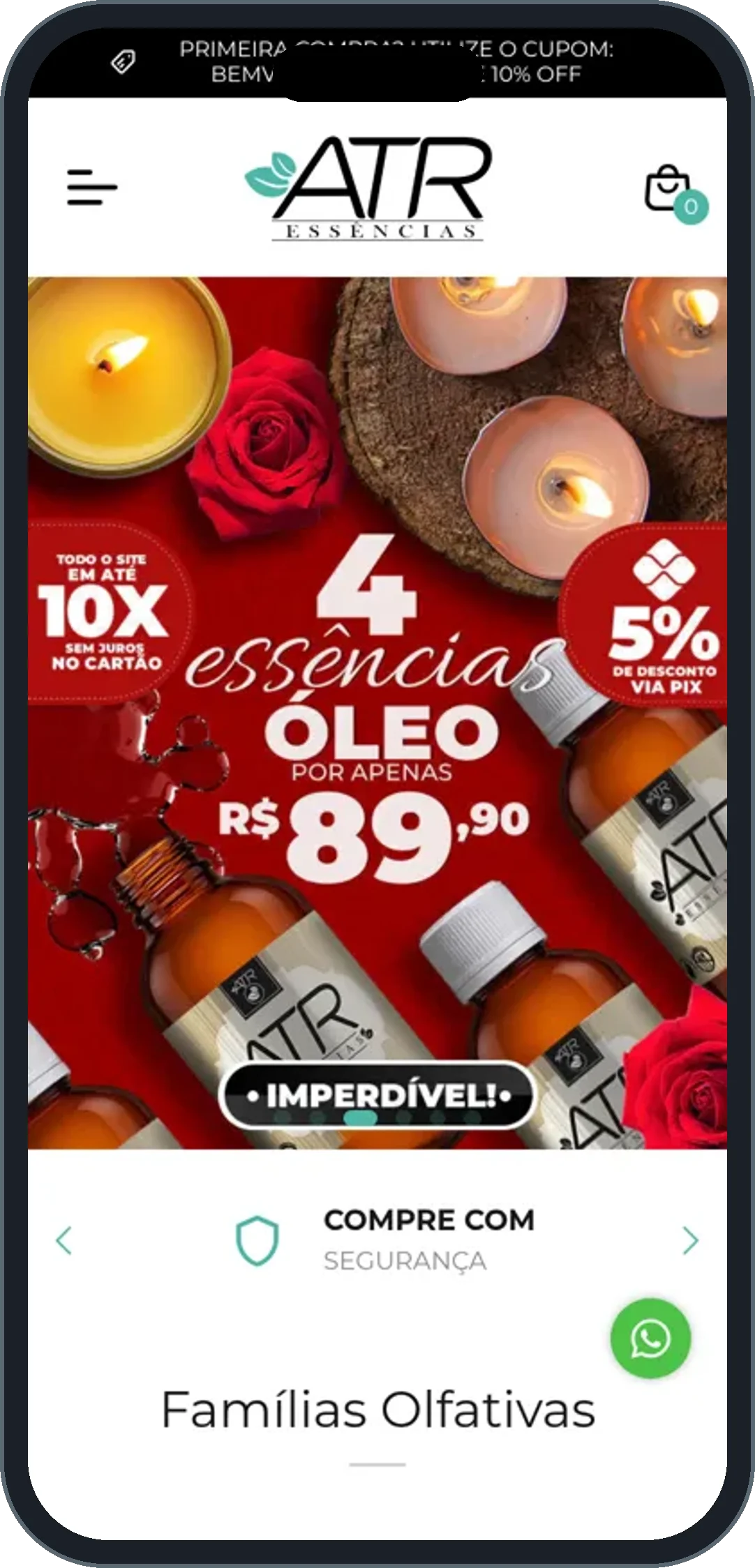
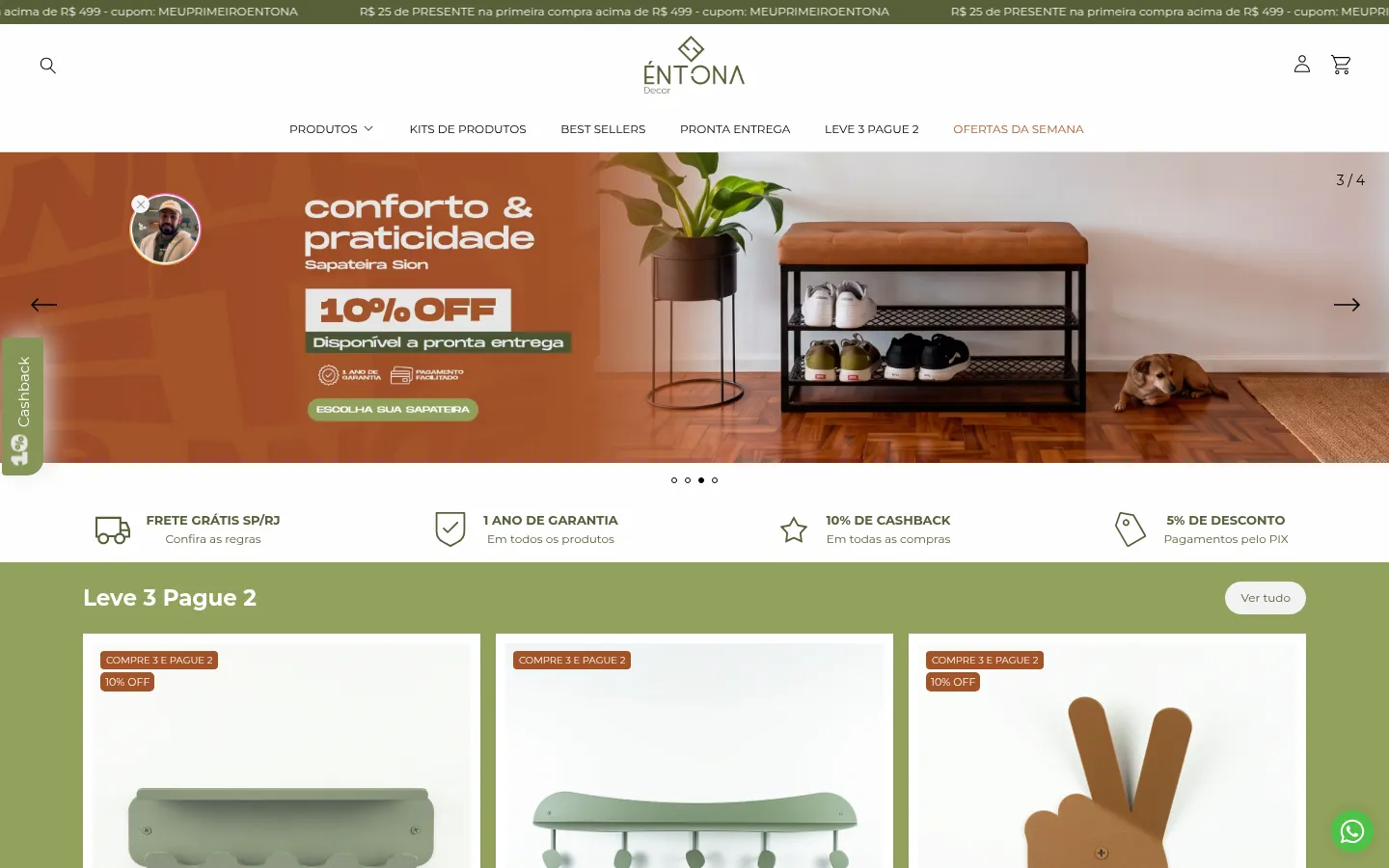
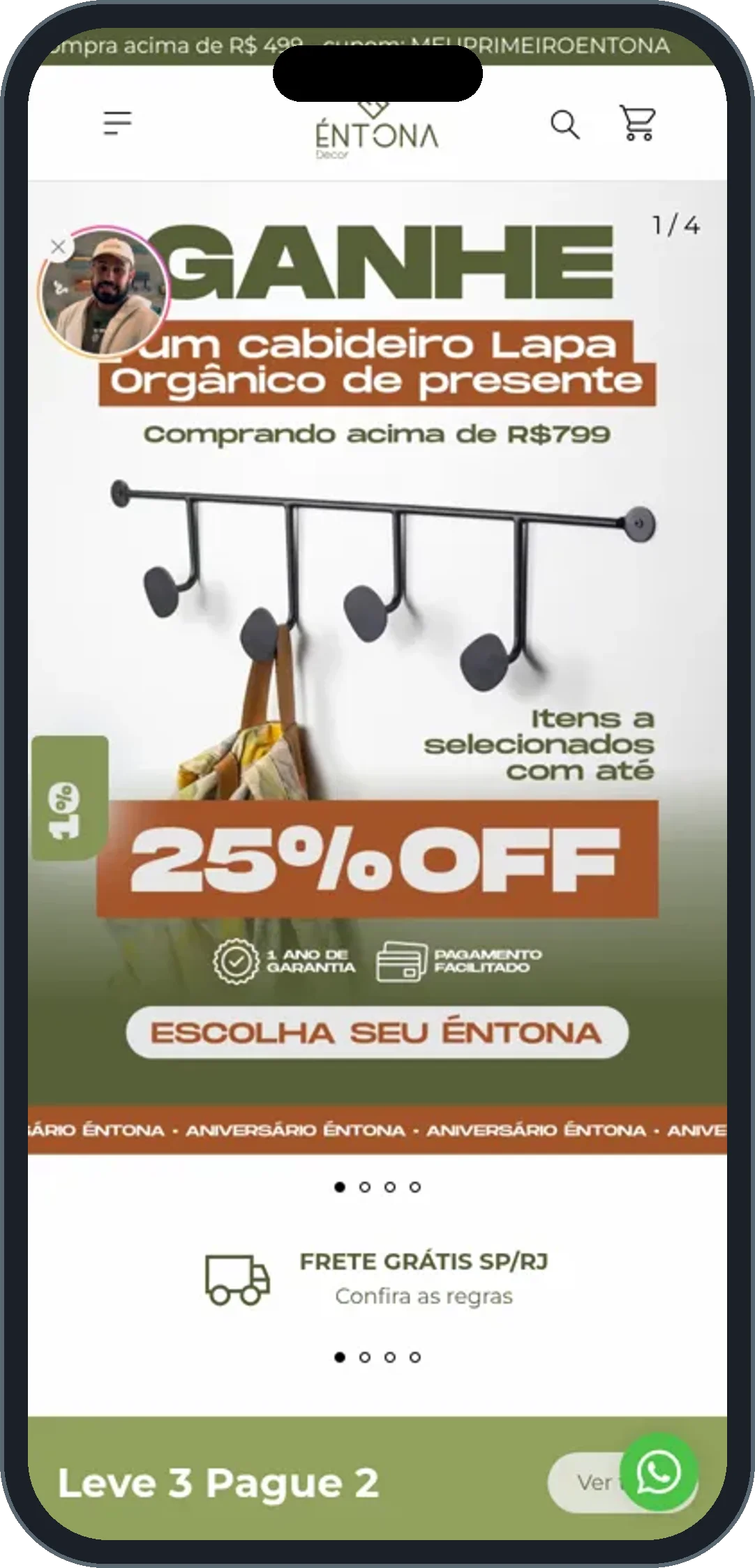
Linha Base, Éntona Decor and ATR Essências are stores in Mahara's portfolio. Explore the projects and their browsing experience. The screenshots showcase the visual work and store organization; they do not represent a promise of revenue, ROAS or conversion rate. A client's business results should only be shared with supporting data and permission.

Explore our work as a Nuvemshop partner and the templates in our portfolio.

Frequently asked questions.

What is the difference between creating and implementing an online store?

Creating a store can refer to its design and initial setup. Implementation also involves organizing the catalog, payments, logistics, integrations and testing outlined in the scope.

How long does implementation take?

The estimated timeframe for Nuvemshop projects is 30 to 45 days, subject to scope, integrations, delivery of materials and approvals. Each project's schedule is confirmed in the proposal.

Which platform does Mahara recommend?

The recommendation depends on your operation. Nuvemshop, Shopify, Tray and Olist are part of the ecosystem featured on the website, but your brand's requirements should guide the choice.

Do I need to have photos and descriptions ready?

These materials affect the timeline and catalog quality. In our initial conversation, we identify what is already available and which deliverables or adjustments need to be included in the proposal.

Will the store work on mobile?

The mobile experience should be part of the project and acceptance testing, including navigation, product pages and the purchase journey.

Does implementation include ads and CRM?

Not automatically. Paid media management, CRM and other services need to be specified in the proposal. The initial assessment helps identify when it makes sense to connect them.

Shall we take a look at your operations?

To get started, tell us your brand name, store URL and main operational challenge. If your store does not exist yet, let us know during the conversation. With that context, Mahara can assess the right approach and prepare a proposal with scope, stages and responsibilities. You do not need to decide on every channel or integration before we talk: the first step is to understand your business and organize priorities.

Let's talk about your store?
Your message was sent successfully!
Our team will be in touch soon.
Oops! We ran into a problem submitting your message... Please try again.
Follow us on social media: